Stuck Between Your Old Self and Your New Self (Why the In-Between Feels So Disorienting)
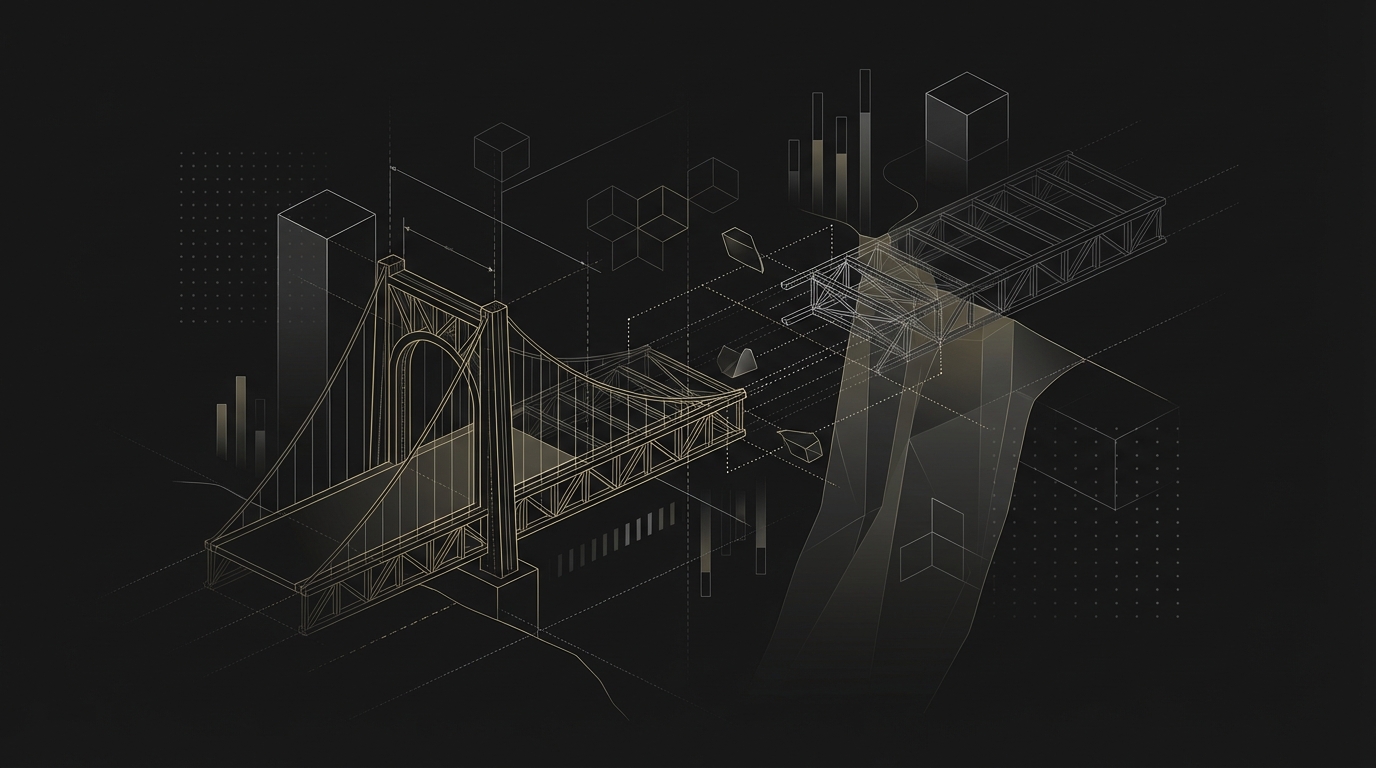
There is a specific kind of disorientation that arrives in the middle of real personal growth. The old way of being no longer fits. You have seen through the patterns, done the work, loosened the identity you were operating from. But the new one is not yet solid. The new way of being is intellectually understood, partially practiced, occasionally glimpsed — but not yet the automatic ground you stand on.
The space between is one of the most uncomfortable and misunderstood stages in personal development. People in it often conclude that something has gone wrong, that they have failed, that they are more lost than they were before. The conclusion is structurally wrong. The disorientation is the predictable experience of moving between two encoded identities — and understanding it structurally changes how it feels to be in it.
What Identity Transition Actually Is Neurologically
Identity is not a psychological concept floating in the mind. It is encoded in the implicit memory system — the neural networks that generate automatic behavior, automatic interpretation, and the felt sense of who you are. When the old identity is loosening, those neural pathways are being destabilized. When the new identity is forming, new pathways are being established. The period between those two structural events is the in-between.
Research by Hazel Markus and Shinobu Kitayama on self-concept established that identity functions as the lens through which the self is perceived and through which social situations are interpreted. When the self-concept is in transition — when the old lens is cracking and the new one is not yet solid — the interpretive function is disrupted. More situations register as ambiguous. More events generate identity-relevant questions. The person experiences heightened self-consciousness and evaluative sensitivity because the self-concept lacks the stable ground from which to filter input automatically.
Research by Jennifer Campbell on self-concept clarity found that clarity of self-concept is a strong predictor of emotional stability and wellbeing. The in-between state, by definition, is a period of reduced self-concept clarity. This is why the emotional experience during identity transition is more volatile than at either stable end — not because the person is getting worse, but because they are between two stable states and the stabilizing function of a clear self-concept is temporarily reduced.
Why the Old Identity Keeps Reasserting
One of the most disorienting features of identity transition is the persistence of the old patterns. The person has had the insights, done the work, encoded the new content — and then under pressure, in familiar contexts, in the situations that have always activated the old pattern, the old identity reasserts. The old response shows up. The old interpretation runs automatically. The new one that was starting to feel real goes quiet.
This is not regression. It is the predictable behavior of two competing neural pathways, one far more practiced than the other. LeDoux's research on the persistence of conditioned responses established that old emotional and behavioral patterns do not disappear when new patterns are being learned. They are inhibited by the new pathway when conditions support it, but they remain latent and can re-emerge when the new pathway is not yet strong enough to dominate under high-activation conditions.
The old identity has been practiced for years. The new one has been practiced for weeks or months. Under stress, in familiar activation contexts, the more practiced pathway has a structural advantage. The reassertion is not evidence that the new identity is not forming. It is evidence that the new pathway has not yet reached sufficient strength to override the old one under pressure. That strength is built through continued daily encoding.
What Closes the In-Between
The in-between closes through two mechanisms: sufficient encoding of the new identity to make its neural pathway dominant across varied conditions, and sufficient processing of the transition itself — the grief, the disorientation, the destabilization that accompany genuine identity change.
The encoding mechanism is straightforward: daily progressive encoding of new identity content through the handwriting mechanism that reaches the implicit system. The new pathway is activated daily. It strengthens. Under progressively more demanding conditions, the new identity holds rather than reverting. The old pathway is not erased. It is outcompeted.
The processing dimension is less commonly addressed. Real identity transition involves loss — the loss of the identity that was familiar even when it was limiting. Research on identity disruption and grief by Kenneth Gergen and others in narrative identity theory found that identity transitions require mourning the old self as well as encoding the new one. When that processing is not allowed, the transition is incomplete even when the new identity content has been encoded. The in-between extends because something is being held rather than moved through.
The person who has processed the loss of the old identity and consistently encoded the new one wakes up one day in a different place. Not because a single event changed everything, but because the accumulation of daily encoding has shifted the neural pathway dominance. The new identity is no longer the one they are reaching for. It is the one they are operating from.
Start Your Frequency Map to Move Through the In-Between
For the full framework on the stages of transformation, read The 5 Stages Every Real Transformation Goes Through.
For why the old patterns keep returning during identity transition, read Why You Regress After a Breakthrough.
For the neuroscience of how the new identity gets structurally encoded, read How to Rewire Your Brain: The Neuroscience of Lasting Change.
Frequently Asked Questions
Why does identity transition feel so disorienting?
Because the self-concept is the interpretive lens through which situations are processed. When that lens is in transition — when the old identity is loosening and the new one is not yet solid — the filtering function is disrupted. More situations register as ambiguous, more events feel identity-relevant, and the automatic stability that a clear self-concept provides is temporarily reduced. The disorientation is the structural experience of operating with a less clear self-concept, not evidence of failure.
How long does the in-between stage last?
The timeline depends on the depth of the old identity being loosened, the consistency of the new encoding practice, and the degree to which the transition is being processed emotionally rather than pushed through. Research on self-concept change suggests that meaningful shifts in identity clarity require months of consistent daily practice for patterns that have been encoded over years. The key variable is daily encoding consistency, not a single breakthrough event.
Why does the old pattern keep coming back even when I've done the work?
Because the old neural pathway has years of activation strength behind it. The new pathway has weeks or months. Under high-activation conditions — stress, familiar triggering contexts, high emotional stakes — the more practiced pathway has a structural advantage until the new pathway reaches sufficient dominance. This is not regression. It is the predictable behavior of two competing pathways at different stages of development.
Is feeling lost during personal growth normal?
Yes, and it is structurally predictable. The identity clarity that provides emotional stability is temporarily reduced during genuine identity transition. The person operating between two identities has less automatic stability than the person operating from either one. This is the cost of genuine growth rather than surface change. The disorientation resolves as the new identity solidifies through encoding.
How do you get through the in-between faster?
Through daily structured encoding of the new identity — building the new neural pathway consistently until it becomes the dominant route. And through processing the transition — allowing the grief and disorientation of the old identity loosening to move through rather than suppressing it. Both are required. Encoding without processing leaves the transition incomplete. Processing without encoding leaves the new identity aspirational rather than structural.


